Address
304 North Cardinal
St. Dorchester Center, MA 02124
Work Hours
Monday to Friday: 7AM - 7PM
Weekend: 10AM - 5PM
Address
304 North Cardinal
St. Dorchester Center, MA 02124
Work Hours
Monday to Friday: 7AM - 7PM
Weekend: 10AM - 5PM
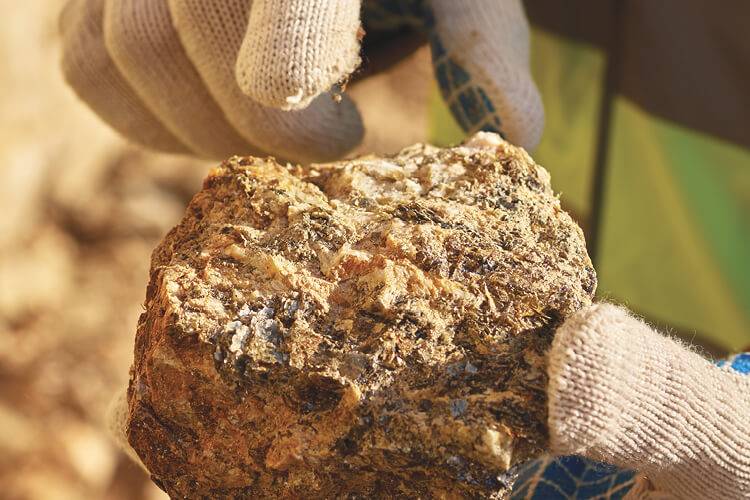
Rare Earth Elements (REEs) are among the most critical raw materials in the modern global economy. Despite their name, rare earths are relatively abundant in the Earth’s crust; however, economically viable deposits with high purity levels are uncommon. A 95.6% rare earth grade represents an exceptionally high concentration, positioning this material at the top tier of strategic mineral resources.
Rare earth elements are indispensable for advanced technologies, including renewable energy systems, electric vehicles, electronics, defense applications, and high-performance industrial manufacturing. As global demand continues to rise, high-grade rare earth materials have become a central focus for governments, industries, and investors worldwide.
This section explores the nature, properties, extraction, processing, applications, and economic significance of rare earth elements with a purity level of 95.6%.
Rare Earth Elements consist of a group of 17 chemically similar metallic elements, including:
The 15 lanthanides (from Lanthanum to Lutetium),
Plus Scandium (Sc) and Yttrium (Y).
These elements are typically divided into:
Light Rare Earth Elements (LREEs): Lanthanum, Cerium, Praseodymium, Neodymium, etc.
Heavy Rare Earth Elements (HREEs): Dysprosium, Terbium, Yttrium, Erbium, etc.
Each rare earth element has unique magnetic, optical, and catalytic properties that are difficult or impossible to replace with alternative materials.
A 95.6% rare earth grade indicates that the material consists of 95.6% total rare earth oxides (TREO) or rare earth content, with minimal impurities. This level of concentration is exceptionally high and typically results from advanced beneficiation and separation processes.
Reduced processing and refining costs
Higher efficiency in downstream manufacturing
Improved performance in high-tech applications
Strong market value and strategic importance
Such a grade is especially suitable for direct use in advanced industrial applications or for final-stage refinement into individual rare earth elements.
High-grade rare earth materials may originate from several geological environments, including:
Carbonatite deposits
Ion-adsorption clays
Alkaline igneous complexes
Placer deposits
Major rare earth-producing regions include:
China
Africa (notably Central and Southern Africa)
Australia
United States
Canada
Deposits capable of producing 95.6% grade material are rare and strategically significant.
Rare earth elements are extracted using:
Open-pit mining
Underground mining
In-situ leaching (for clay-hosted deposits)
After mining, ore undergoes:
Crushing and grinding
Physical separation
Chemical concentration
Advanced processing techniques are required to separate rare earths from gangue minerals and from each other.
To achieve a 95.6% grade, rare earth materials are treated using:
Acid or alkaline leaching
Solvent extraction
Ion exchange processes
Precipitation and calcination
These steps result in high-purity rare earth oxides or compounds.
Rare earths are essential for:
Permanent magnets in wind turbines
High-efficiency electric motors
Energy storage technologies
Neodymium, praseodymium, dysprosium, and terbium are critical for:
EV motors
Power electronics
Battery systems
Rare earth elements are used in:
Smartphones and computers
Fiber-optic systems
Semiconductors
Display technologies
High-purity rare earths are vital for:
Precision-guided weapons
Radar systems
Jet engines
Satellite technologies
Rare earths serve as:
Catalysts in petroleum refining
Chemical processing agents
Glass polishing powders
Rare earth elements with a 95.6% grade command premium pricing due to:
Limited global supply
High processing complexity
Strong demand from high-tech industries
Strategic importance for national security
Many countries classify rare earths as critical or strategic minerals, emphasizing their importance in supply chain security.
Chemical waste management
Water usage and contamination risks
Radioactive by-products (in some deposits)
Best practices include:
Environmentally controlled processing
Waste recycling and neutralization
Compliance with international environmental standards
Community engagement and rehabilitation programs
High-purity rare earth elements will continue to drive innovation in:
Green energy technologies
Artificial intelligence hardware
Advanced robotics
Next-generation electronics
Materials with 95.6% purity are particularly critical for maintaining performance, efficiency, and reliability in future technologies.
Rare Earth Elements with a 95.6% grade represent some of the most valuable and strategically important materials in the modern world. Their unique properties, combined with their high purity, make them indispensable for advanced industrial, technological, and energy applications.
As global demand continues to grow, high-grade rare earth materials will play a decisive role in shaping the future of technology, sustainability, and economic development.